CNC machining is one of the building blocks of modern manufacturing. Because it delivers precision, repeatability and the ability to work across very different materials, it has become indispensable in automotive, medical, defence, rail, energy and industrial equipment.
At TruthTec we work across all of those sectors, matching international quality standards to what each industry actually needs. So what does CNC machining offer in each, and where are the difficult parts?
CNC machining sector by sector
1. Automotive
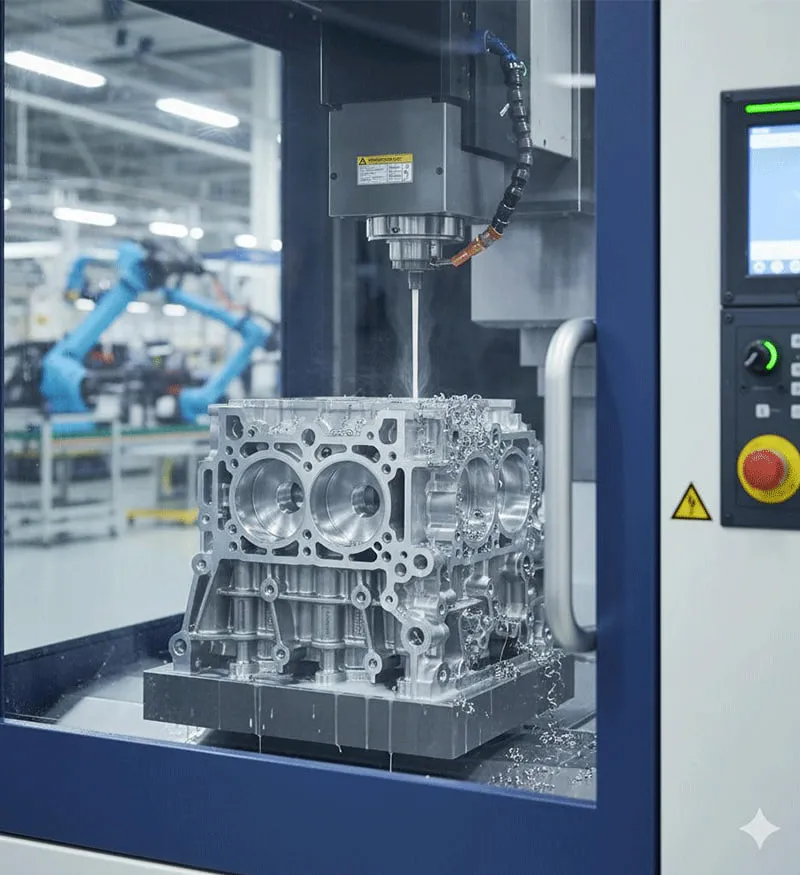
The automotive industry runs on volume production and cost optimisation. CNC machining is central to both:
- Engine components: pistons, cylinder heads, valve seats
- Transmission and gear systems: precise gear geometries, bearing seats
- Body and chassis parts: fasteners, safety system components
The challenges here are the production tempo, surface roughness standards, and meeting durability and fatigue requirements.
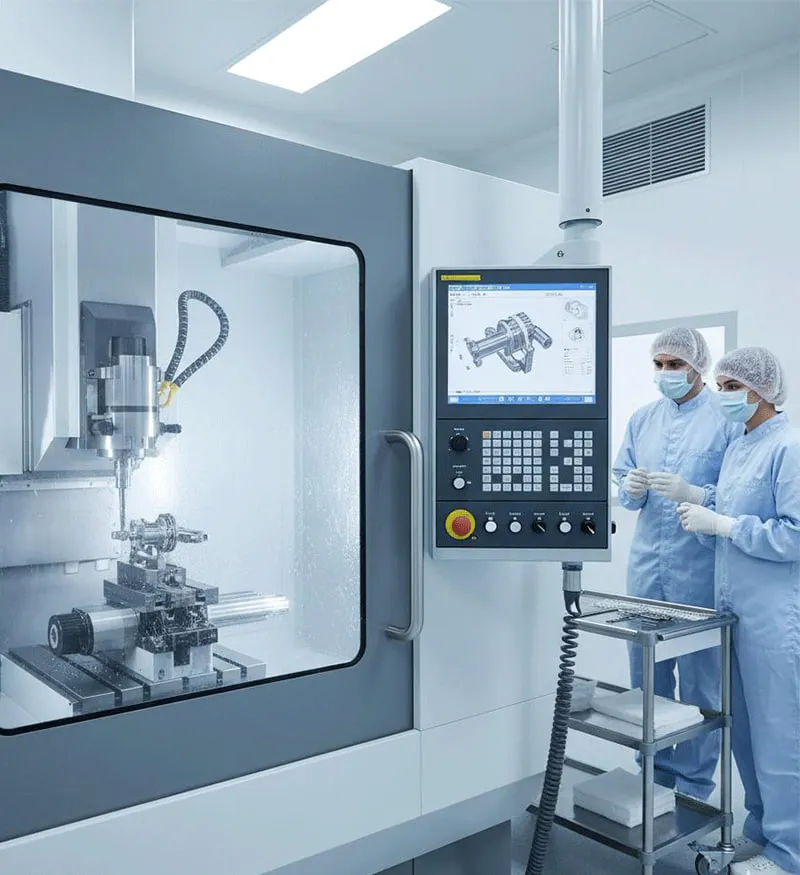
2. Medical
Medical work sits closest to human health, so it carries the highest precision and quality requirements of any sector we serve.
Surgical instruments: scalpels, clamps, drill bits.
Orthopaedic implants: titanium prostheses, screws, plates.
Dental equipment: implant components, milling tips.
The challenges:
Very tight tolerance bands.
Surface smoothness and biocompatibility.
Material certification and sterile production conditions.
3. Rail systems and energy
Rail and energy both call for large, durable components.
Rail: axle shafts, wheel components, brake parts.
Energy: turbine blades, shaft systems, pump components.
The challenges:
Machining large parts rigidly.
Controlling thermal expansion and vibration.
Choosing materials that last.
4. Industrial equipment and defence
CNC machining covers a wide span here, from the gears inside industrial machinery to armoured vehicle components.
Industrial machinery: gearboxes, shaft systems.
Defence: missile components, aircraft landing gear, armour fasteners.
The challenges:
High strength requirements.
Complex geometry and assembly fit.
The need for multi-axis production.
What these sectors have in common
Material variety. Titanium, stainless steel, aluminium, specialist alloys — each wants its own cutting parameters and machining strategy.
Surface treatment and coating. Polishing, coating and anodising all shape the final quality.
Tooling and coolant strategy. Tool wear, chip removal optimisation and coolant management matter more than they first appear.
Quality control and traceability. Product safety makes traceability mandatory in every one of these sectors, which is why metrology equipment and quality reports are not optional.
How TruthTec approaches multi-sector work
Broad sector experience: automotive, medical, defence, rail, energy.
Engineering support: a DFM approach that makes designs easier to manufacture.
Quality certification: ISO 9001, ISO 14001, ISO 45001, AS/EN 9100.
A modern machine park: three-, four- and five-axis CNC systems and turning centres.
Full traceability: every part recorded and reported through production.
Looking ahead
Automotive: new components and lighter materials as electric vehicles take over.
Medical: patient-specific implants, and hybrid 3D printing plus CNC.
Energy: high-strength components for renewable energy systems.
Defence: lighter, tougher, smarter components.
In closing
CNC machining is no longer just a production method. Across these industries it has become the basis of quality, safety and performance. Every sector brings its own difficulties, but with the right engineering approach, a modern machine park and real quality standards, those difficulties turn into opportunities.
That is the work we keep doing — a dependable partner from automotive to medical, from defence to energy.
Send us your technical drawings and we will work out the right machining approach together.